Featured
Table of Contents
- – Recognizing Transgenerational Trauma in Immigr...
- – Why Conventional Therapy Loss Short
- – The Bicultural Therapy Advantage
- – EMDR: Evidence-Based Therapy for Facility Injury
- – Bilingual Treatment: Language and Emotional Ha...
- – Online Treatment: Getting Rid Of Obstacles to ...
- – Key Treatment Parts for Bicultural Mental Well...
- – Common Therapeutic Focus Locations
- – The Cultural Context of Mental Wellness
- – Treatment Timeline and Assumptions
- – Key Words for Finding Bicultural Treatment
- – Taking the Initial Step
Grown-up children of immigrants encounter one-of-a-kind mental health and wellness difficulties that conventional therapy typically misses out on. The consistent arrangement in between social worlds, unmentioned family expectations, and acquired injury patterns call for customized understanding-- not simply professional training, yet lived social competence.
Recognizing Transgenerational Trauma in Immigrant Households
Transgenerational injury refers to psychological and emotional wounds gave through generations. When moms and dads experience war, compelled migration, persecution, or survival-level hardship, their worried systems adapt to constant risk. These adaptations-- hypervigilance, psychological reductions, distrust of outsiders-- typically transfer to their kids with parenting designs, household characteristics, and even epigenetic adjustments.
First and second-generation Americans frequently experience anxiety, sense of guilt, anxiety, and identification confusion without understanding the source. Typical symptoms consist of chronic anxiety in spite of stable circumstances, problem establishing borders with household, shame over personal options that vary from social standards, psychological tingling or difficulty sharing feelings, perfectionism and worry of failure, and persistent self-doubt regardless of unbiased success.
Research reveals these aren't character defects-- they fidget system responses acquired from moms and dads that endured in survival setting.
Why Conventional Therapy Loss Short
Standard restorative techniques were established largely by and for white, Western populaces. When specialists lack social skills, they commonly misunderstand culturally normative actions as pathological. Household distance comes to be "enmeshment." Regard for senior citizens comes to be "inability to individuate." Cumulative worths become "codependency."
This social inequality creates a number of problems. Therapy suggestions conflict with social worths, developing difficult selections. Customers really feel misconstrued and revoked, minimizing therapy effectiveness. Cultural strengths and resilience elements go unknown. Embarassment and guilt intensify rather than resolve.
For immigrant households, therapy needs to honor both the social context and the emotional reality-- identifying that bicultural identification isn't an issue to fix however a legitimate experience needing customized assistance.
The Bicultural Therapy Advantage
Bicultural specialists bring crucial understanding that goes beyond professional training. They identify the subtleties of browsing 2 worth systems, recognize family dynamics within social context, speak the same cultural language (typically essentially), verify the intricacy without pathologizing either society, and determine transgenerational injury patterns typical in immigrant neighborhoods.
This cultural attunement enables deeper, faster healing job. Customers spend less time clarifying and protecting their experience, and even more time in fact healing.
EMDR: Evidence-Based Therapy for Facility Injury
Eye Movement Desensitization and Reprocessing (EMDR) has verified especially effective for adult youngsters of immigrants dealing with transgenerational trauma. Unlike typical talk therapy, EMDR helps the brain reprocess traumatic memories and limiting beliefs kept at a neurological degree.
EMDR functions via bilateral excitement (eye activities, tapping, or sounds) while refining distressing memories or beliefs. This assists the brain total interrupted handling, reducing psychological cost and physical distress connected with trauma.
For bicultural individuals, EMDR addresses acquired restricting ideas like "I'm inadequate," "I don't belong anywhere," "My needs don't matter," "Success means betraying my family," and "I have to be ideal to be worthy of love."
Research demonstrates EMDR's performance for PTSD, complex trauma, stress and anxiety problems, anxiety, and cultural modification problems-- all typical amongst immigrant populations.
Bilingual Treatment: Language and Emotional Handling
For several bicultural people, emotional experiences are encoded in different ways throughout languages. Childhood memories and family dynamics frequently exist in the indigenous language, while grown-up experiences and specialist identification link to English.
Bilingual therapy allows customers to gain access to much deeper emotional material by relocating between languages as required. This captures subtleties shed in translation and addresses the truth that some feelings merely don't have equal words across languages.
Online Treatment: Getting Rid Of Obstacles to Specialized Care
Finding culturally proficient specialists trained in trauma-specific methods can be virtually impossible in numerous locations. Online therapy gets rid of geographic restrictions, making specialized bicultural treatment easily accessible statewide.
Studies verify online treatment generates comparable outcomes to in-person therapy for anxiousness, depression, injury, and tension management. EMDR equates efficiently to telehealth with screen-based eye activities, self-administered tapping, or bilateral audio stimulation.
Fringe benefits consist of adaptability for hectic experts and caregivers, no commute time or traffic tension, personal privacy and comfort of home setting, and easier organizing throughout time areas.
Key Treatment Parts for Bicultural Mental Wellness
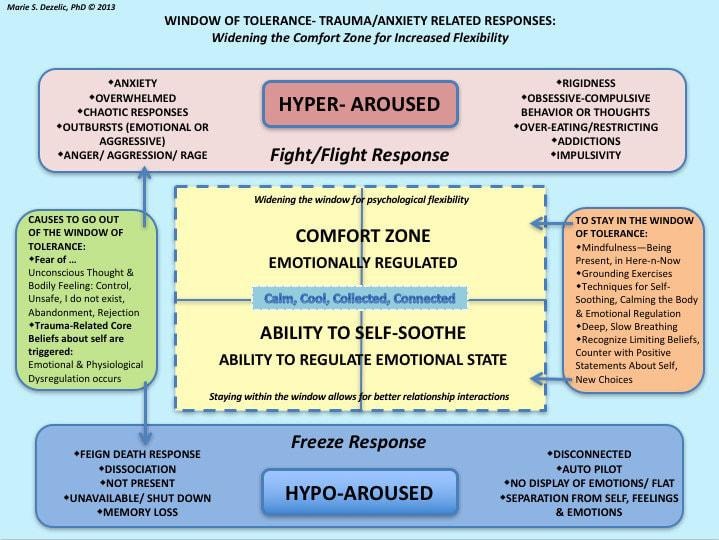
Efficient treatment for grown-up kids of immigrants must consist of verifying the bicultural experience without lessening either point of view, checking out family members characteristics within their social context, refining transgenerational injury using evidence-based techniques like EMDR, dealing with specific challenges like shame, anxiousness, and identity confusion, establishing boundary-setting skills that value social values, and building genuine identification that incorporates as opposed to picks in between cultures.
The goal isn't to turn down social heritage or dismiss American worths-- it's to create an incorporated sense of self that attracts stamina from both.
Common Therapeutic Focus Locations
Bicultural therapy usually resolves shame around personal selections that vary from family expectations, stress and anxiety relevant to disappointing moms and dads or social community, identity complication from living in between 2 worth systems, connection obstacles consisting of dating and marriage throughout cultures, career choices and parental approval, communication troubles with immigrant moms and dads, and handling details traumas connected to migration, discrimination, or cultural variation.
Numerous clients likewise resolve sorrow for parents' sacrifices and lost chances, rage at social restrictions or unjust expectations, and embarassment around not being "sufficient" in either society.
The Cultural Context of Mental Wellness

In numerous immigrant societies, mental wellness battles carry considerable preconception. Seeking treatment can seem like admitting failure, being ungrateful, or bringing pity to the family. Bicultural therapists understand these worries and can help customers navigate them.
Therapy frequently includes psychoeducation regarding how injury influences the worried system, stabilizing psychological wellness struggles within cultural context, creating language to discuss therapy with family if preferred, and recognizing social toughness while addressing areas of battle.
Treatment Timeline and Assumptions
Healing transgenerational trauma differs widely based on complexity of injury, specific objectives and preparedness, therapeutic approach utilized, and consistency of therapy involvement.
Some customers experience considerable alleviation within weeks utilizing extensive EMDR methods. Others take advantage of longer-term therapy that resolves numerous layers of injury and identification development. Both courses stand.
The restorative connection matters considerably. Locating a carrier who comprehends your cultural background and uses evidence-based methods for injury makes significant difference in outcomes.
Key Words for Finding Bicultural Treatment
Appropriate search terms include bicultural treatment, therapy for grown-up youngsters of immigrants, transgenerational trauma therapy, EMDR for social trauma, very first generation American counseling, 2nd generation immigrant therapy, multilingual therapy, Spanish-speaking EMDR specialist, social identity therapy, immigrant family members treatment, and complex trauma therapy.
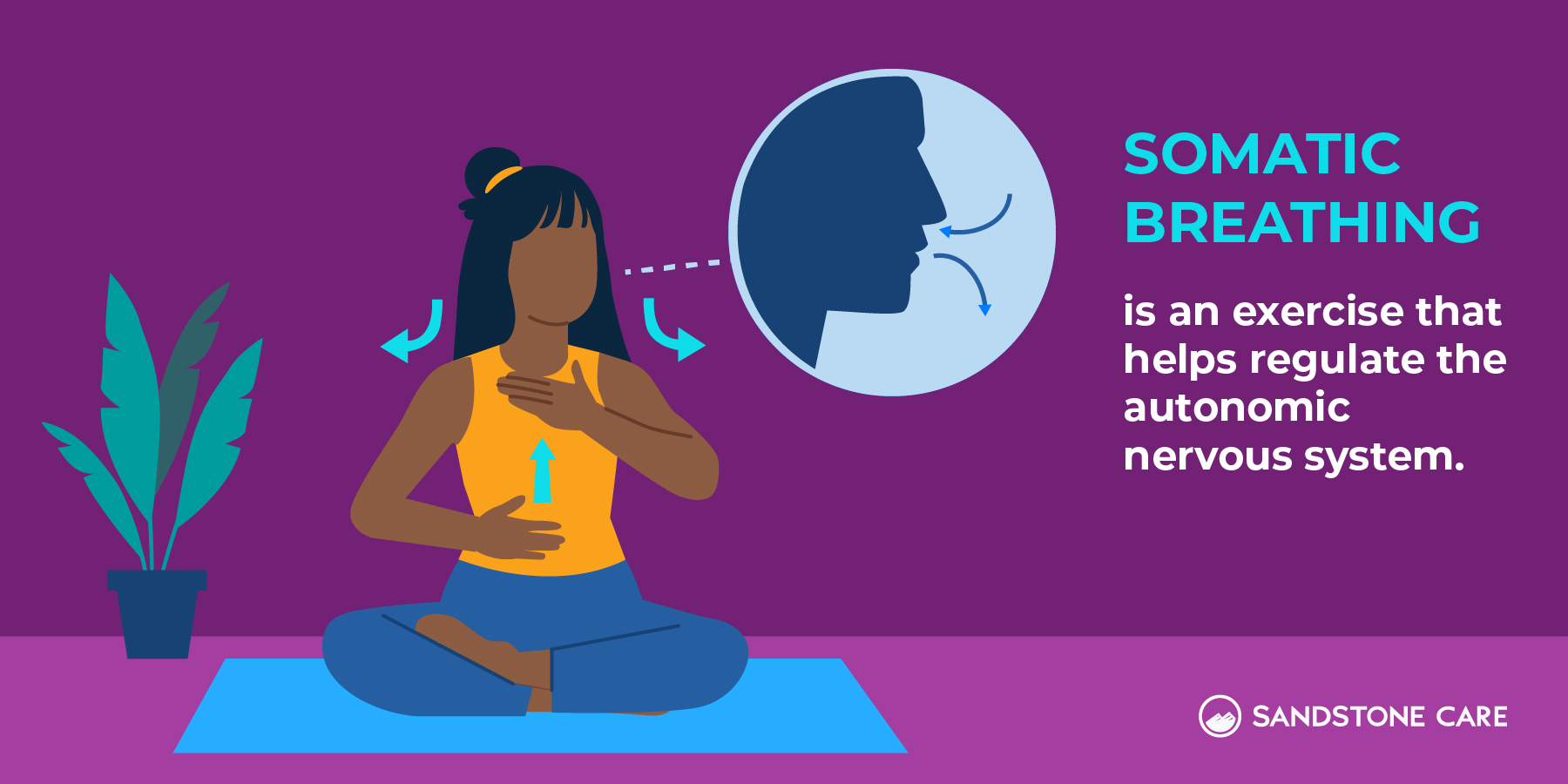
Look for therapists with details training in injury methods (EMDR qualification, Somatic Experiencing, etc) and showed cultural skills via lived experience or specialized training.
Taking the Initial Step
If you're battling with the weight of 2 societies, experiencing anxiousness or sense of guilt you can't completely explain, feeling separated from your genuine self, or recognizing patterns from your parents' trauma in your own life, specialized bicultural therapy can assist.
Many therapists use cost-free examinations to identify fit. This enables you to evaluate whether the supplier really understands your social context and has the medical skills to address intricate injury.
[:city,state,lurl] Therapist in Irvine,CA,https://empoweruemdr.com/therapist-in-irvine [/x]Your bicultural identification isn't a deficit-- it's a source of potential stamina and durability. With the right therapeutic assistance, you can recover inherited wounds, create genuine identity, and develop a life that honors both your heritage and your specific fact.

Table of Contents
- – Recognizing Transgenerational Trauma in Immigr...
- – Why Conventional Therapy Loss Short
- – The Bicultural Therapy Advantage
- – EMDR: Evidence-Based Therapy for Facility Injury
- – Bilingual Treatment: Language and Emotional Ha...
- – Online Treatment: Getting Rid Of Obstacles to ...
- – Key Treatment Parts for Bicultural Mental Well...
- – Common Therapeutic Focus Locations
- – The Cultural Context of Mental Wellness
- – Treatment Timeline and Assumptions
- – Key Words for Finding Bicultural Treatment
- – Taking the Initial Step
Latest Posts
Why Online Body-Based Therapy Works
Trauma Release Methods for Sustainable Relief
Stopping Toxic Dynamics Through Intensive Therapy
More
Latest Posts
Why Online Body-Based Therapy Works
Trauma Release Methods for Sustainable Relief
Stopping Toxic Dynamics Through Intensive Therapy