Featured
Table of Contents
Among the compelling factors for motivating extra cross-training for EMDR injury specialists as play therapists is the number of youngsters that are the hardest to get to in treatment those with complex trauma, especially arising from maltreatment by caretakers. Accessory trauma offers the most challenges in establishing a window in which youngsters have the ability to absorb and accept adaptive details into the memory network and after that start to heal.
Its aftermath and tries to prematurely initiate an instruction therapy are commonly doomed prior to they start. Advanced training in play therapy prepares the trauma therapist to remain based themselves and hold open the room in which the child can begin to reveal their injured self in the play. Certified professional counselor and signed up play treatment manager Lisa Dion energized the play therapy community in her current job.
With raising numbers of specialists credentialed as both play specialists and EMDR specialists comes the possibility of more training and research concentrated on the effectiveness and benefits of EMDR for our youngest clients. Of the need to supply healing to kids as very early in life as feasible there can be no doubt.
Why Various Methods Work Together
EMDR and Play Treatment Integration Resources Banbury, N. (2016 ). Situation research: Play therapy and eye motion desensitization and reprocessing for pediatric solitary event posttraumatic stress and anxiety disorder and developing regression. International Journal of Play Treatment, Vol 25( 3 ), Jul 2016, 166-174. Beckley-Forest, A. (2015 ). Play Treatment and EMDR: A conversation. Play Treatment, 10 (3 ), 10-14.
( 2001 ). Incorporating play therapy and EMDR with children. Writer Home. Monaco, A., & Beckley-Forest, A. (2016 ). Educating Kids to Play EMDR Treatment. Discussion at 2016 EMDR International Organization Meeting. Audio recording offered at Sullivan, K. & Thompson, G. (2016 ). Eye activity desensitization and reprocessing and play therapy. Leggett, E.S. & Boswell, J.N., eds.( 2018 ).
Proof of the efficacy of EMDR with kids and adolescents in specific psychiatric therapy: A review of the research study released in peer-reviewed journals. Journal of EMDR Method and Study, 3( 4 ). EMDR & the art of psychiatric therapy with youngsters: Therapy guidebook and message.
How to Expect From EMDR Sessions in Orange County

Gomez, A. (2012 ). EMDR Therapy and accessory methods with children: Complicated trauma, accessory and dissociation. NY: Springer Posting. Greenwald, R. (1999 ). EMDR in kid and teenage psychotherapy. Northvale, NJ: Jason Aronson. Shapiro, F. (2017 ). Eye movement desensitization and reprocessing: Basic concepts, procedures and procedures, third ed. New York: Guilford. Thaxton, S.
Star battles therapy: Incorporating EMDR with youngsters. Presentation at the 8th EMDR Europe Organization Meeting, Paris, France. A recap is readily available at show/18075 Baggerly, J. Ray, D. & Bratton, S. (2010 ). Youngster centered play therapy study: The proof base for efficient practice. Hoboken, NY: Wiley. Bratton, S. et al. (2005 ).
Therapy Planning for Individuals
and Cangelosi, D. (2016 ). Essential play treatment methods: Tried and true approaches, New York: Guilford. If you are a specialist curious about the EMDR training: If you are EMDR trained: If you are an EMDRIA Member:.
One efficient example is the Intero-Ception puppet, where kids can "area" their worries, allowing them to refine memories without really feeling overwhelmed. According to Shapiro (2001 ), twin interest is crucial for maintaining a connection to today while processing stressful memories securely. In the and phases of EMDR (Phases 5 and 6), somatic techniques strengthen children's combination of favorable ideas related to targeted memories.
Your the First Step Toward Teen Therapy
In the phase of EMDR (Phase 8), play therapy and narration can help children narrate their progression, enhancing the flexible changes they have actually made. Narration not only strengthens durability but also strengthens kids's self-concept as they see themselves as active agents in their healing journey. By including elements from play therapy, somatic awareness, and Polyvagal Theory, therapists allow children to incorporate their experiences in a manner that develops lasting psychological and physical law abilities.
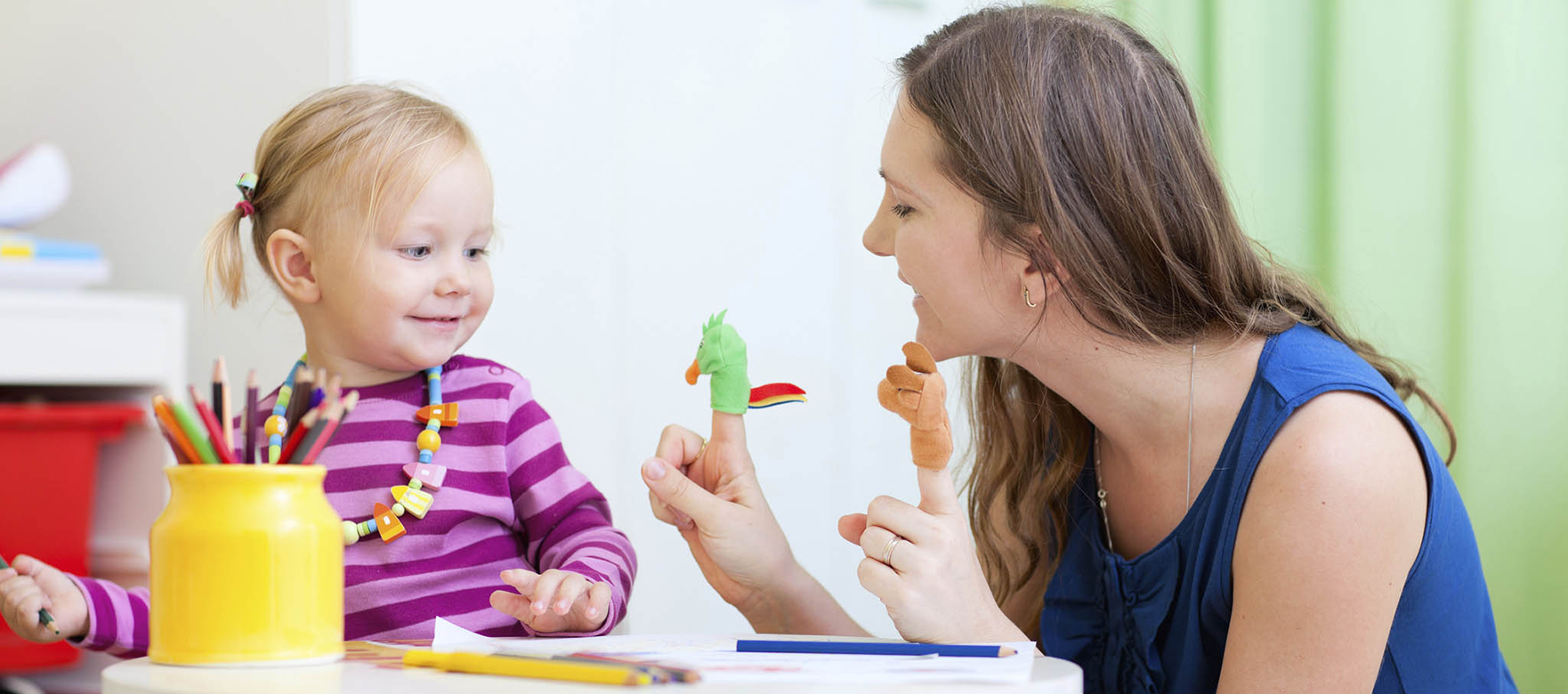
It can be useful to have a toolkit of grounding and play-based approaches easily available, allowing the therapist to readjust the session based on the child's immediate requirements. Research study highlights that adaptive, flexible strategies produce the very best end results in trauma-informed look after kids (Environment-friendly, 2020). Incorporating play therapy, somatic techniques, and Polyvagal Concept within EMDR treatment sessions improves the therapeutic experience, specifically for young customers.
Play Treatment with Shocked Children: An Authoritative Strategy. Guilford Press. Porges, S. W. (2011 ). The Polyvagal Concept: Neurophysiological Foundations of Emotions, Add-on, Communication, and Self-Regulation. W.W. Norton. Shapiro, F. (2001 ). Eye Motion Desensitization and Reprocessing: Fundamental Concepts, Protocols, and Procedures. Guilford Press. Siegel, D. J. (2012 ). The Developing Mind: Just How Relationships and the Brain Interact to Forming That We Are.
Understanding Past Experiences' Impact on Individuals
If you are a therapist interested in the EMDR training: If you are EMDR trained: If you are an EMDRIA Member:.
Madeline Dupont holds a bachelor's degree (BS) in victim researches from Sam Houston State University. She is currently a college student intern in the clinical psychological health therapy program at Sam Houston State University and is monitored by Sherri Sawyer, MA, LPC, RPT. Additionally, Madeline is seeking a play therapy certificate together with her master's degree and is a professional member of the Texas Counseling Organization (TCA), Houston Therapy Organization (HCA), and the Beta Kappa Tau chapter of Chi Sigma Iota.
Madeline has a deep enthusiasm for dealing with kids, teens, and mommies. Her medical interests include play therapy, injury, stress and anxiety, maternal psychological wellness, life shifts, divorce and family characteristics, and gender and identity subjects, including LGBTQIA+ affirming care. Madeline approaches therapy from a humanistic and creative viewpoint, relying on meeting customers where they are and tailoring treatments to fit their one-of-a-kind needs.
Finding Culturally Competent Psychodynamic Therapy in CA
In her spare time, Madeline enjoys a wide array of imaginative leisure activities consisting of crocheting, stitching, circuiting, paint, and journaling. She additionally runs a small company where she makes customized clothing and banners. Madeline finds delight in hanging out with her cherished feline, Luna, and worths top quality time with household and close friends.

Latest Posts
Why Online Body-Based Therapy Works
Trauma Release Methods for Sustainable Relief
Stopping Toxic Dynamics Through Intensive Therapy