Featured
Table of Contents
- – The Depression Crisis: When Hope Really Feels ...
- – Recognizing Depression's Neurobiological Roots
- – Ketamine: A Revolutionary Device for Depressio...
- – Scientific Proof: What the Research study Reveals
- – Incorporating Psychotherapy: Beyond Medicine A...
- – EMDR for Depression's Roots
- – Accelerated Resolution Therapy for Depressive...
- – Interior Family Equipments for Self-Compassion
- – Treatment Procedures: Structure and Practical ...
- – Beyond Drug Resistance: Who Profits A lot of?
- – Comparing Ketamine to Standard Depression Ther...
- – Neuroplasticity: The Key to Long-term Adjustment
- – Taking Care Of Expectations and Avoiding Relapse
- – Safety, Adverse Effects, and Threat Management
- – The Duty of Set, Establishing, and Restorativ...
- – Long-Term Outcomes: What Does Healing Resemble?
- – The Future: Expanding Gain Access To and Refin...
- – Conclusion: A New Phase in Depression Therapy
The Depression Crisis: When Hope Really Feels Out of Reach
Significant depressive problem influences over 21 million American adults annually, making it one of the leading root causes of impairment worldwide. The weight of depression prolongs much past despair-- it materializes as profound vacuum, loss of passion in once-loved tasks, crushing tiredness, difficulty focusing, sleep disruptions, and in extreme cases, suicidal ideation. For those entraped in depression's grasp, daily can really feel like an insurmountable obstacle, with also standard self-care tasks calling for huge initiative.
Traditional depression treatment adheres to a predictable however typically irritating path. People try an SSRI or SNRI, wait 6-8 weeks to see if it functions, change dosage, wait once more, and if not successful, button to an additional medicine and repeat the cycle. Weeks turn into months, months right into years, and hope progressively wears down. Researches show that only concerning one-third of patients achieve remission with their initial antidepressant, and with each succeeding trial, success rates decline. For those with treatment-resistant depression-- specified as failure to react to at the very least two sufficient medicine tests-- the diagnosis becomes increasingly discouraging.
The human expense is staggering. Depression damages professions, relationships, and lives. It isolates patients from enjoyed ones, burglarizes them of motivation and pleasure, and in one of the most severe situations, brings about suicide-- the tenth leading cause of death in the USA. The urgent demand for faster-acting, a lot more reliable treatments has driven researchers to explore unique methods, with Ketamine-Assisted Intensive Retreats becoming among one of the most appealing growths in years.
Recognizing Depression's Neurobiological Roots
Depression is much more than a chemical discrepancy or a deficiency in serotonin, though that simplistic model controlled psychiatry for years. Existing neuroscience reveals depression as a complicated condition involving several brain systems, natural chemicals, and architectural modifications.
The prefrontal cortex-- responsible for executive feature, decision-making, and emotional guideline-- reveals lowered task in depression. The hippocampus, crucial for memory and mood guideline, frequently presents lowered quantity in individuals with persistent depression, especially those with a history of early life stress. The amygdala, the brain's emotional facility, comes to be hyperresponsive, creating intense sensitivity to negative stimulations and decreased responsiveness to positive experiences.
At the mobile level, depression includes loss of synaptic links-- the communication factors between nerve cells. Chronic tension and depression bring about degeneration of dendritic spinal columns in essential mind regions, essentially pruning away the neural architecture needed for healthy mood regulation. This synaptic loss aids describe why depression really feels so debilitating: the brain has essentially lost some of its capacity to create favorable feelings, inspiration, and cognitive versatility.
Neurotransmitter systems beyond serotonin play vital roles. Glutamate, the brain's main excitatory natural chemical, shows dysregulation in depression. The brain-derived neurotrophic variable (BDNF)-- a healthy protein essential for nerve cell development and survival-- reduces in depression, additional compromising the mind's ability to maintain healthy neural networks. Comprehending these mechanisms reveals why antidepressants that just target serotonin frequently supply incomplete relief and why therapies that promote neuroplasticity and synaptic growth hold such guarantee.
Ketamine: A Revolutionary Device for Depression Alleviation
Ketamine represents an essentially different technique to treating depression. Unlike typical antidepressants that gradually boost monoamine natural chemicals over weeks, ketamine resolves the glutamate system and causes rapid adjustments in mind connection and feature-- typically within hours.
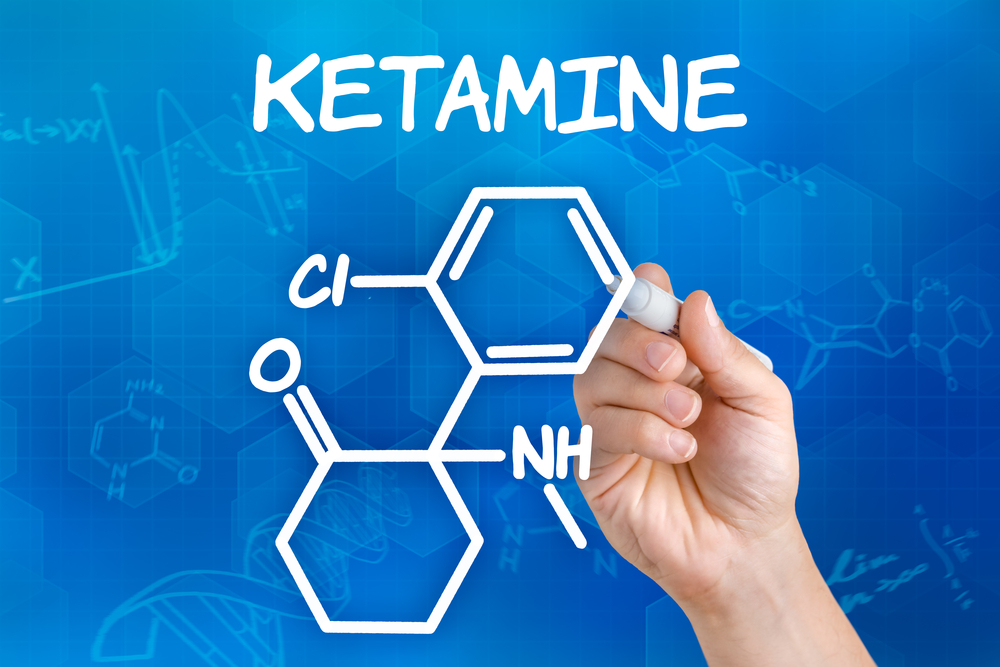
As an NMDA receptor antagonist, ketamine obstructs certain glutamate receptors, causing a cascade of neurobiological events. This clog results in enhanced glutamate launch in various other brain areas, triggering AMPA receptors and triggering a signaling cascade that promotes BDNF launch and advertises rapid synaptogenesis-- the development of new synaptic connections. Within hours of management, ketamine can raise the number of dendritic spines in the prefrontal cortex, basically rebuilding several of the neural style that depression has deteriorated.
Research using mind imaging has actually shown that ketamine swiftly increases connectivity within crucial brain networks associated with state of mind law. The default mode network-- typically over active in depression and connected with rumination-- reveals normalized task patterns. Connection between the prefrontal cortex and limbic regions improves, boosting emotional regulation capability. These aren't just temporary adjustments however appear to stand for real restructuring of brain feature that can persist well beyond the acute drug effects.
Possibly most extremely, ketamine's antidepressant effects typically start within hours to days as opposed to weeks. For somebody in the depths of suicidal depression, this quick onset can be actually lifesaving. The speedy alleviation also provides hope and inspiration to involve with psychiatric therapy and other treatments that could have really felt meaningless before experiencing any type of symptom renovation.
Scientific Proof: What the Research study Reveals
The proof base for ketamine in treatment-resistant depression has grown substantially over the past two years. Initial researches in the very early 2000s revealed that a single ketamine mixture can create rapid antidepressant results in clients who had actually failed multiple conventional therapies. These findings were originally met uncertainty however have been reproduced many times throughout different proving ground and person populations.
A spots 2014 meta-analysis discovered that ketamine produced significant antidepressant results within 1 day in people with treatment-resistant depression, with feedback prices around 60-70%-- substantially greater than common antidepressant action rates. Subsequent study has actually examined duplicated dosing protocols, locating that multiple ketamine sessions over several weeks can extend and grow the antidepressant action.
Researches specifically examining suicidal ideation have shown that ketamine can quickly reduce self-destruction threat-- a finding with extensive medical ramifications. Conventional antidepressants lug warnings regarding potentially enhancing suicide risk in the first weeks of therapy, however ketamine appears to lower suicidal thoughts within hours, providing a critical security advantage for high-risk patients.
Research right into ketamine-assisted psychotherapy-- combining ketamine with structured therapy rather than medication alone-- suggests also a lot more durable and sustained outcomes. The neuroplastic home window developed by ketamine shows up to improve the effectiveness of psychotherapy, enabling people to make restorative progression a lot more swiftly than with either therapy alone.
Incorporating Psychotherapy: Beyond Medicine Alone
While ketamine mixtures alone can provide substantial antidepressant impacts, the most sophisticated programs incorporate organized psychotherapy to maximize and prolong benefits. The temporary neuroplastic state caused by ketamine creates an optimal window for healing work-- a time when brand-new viewpoints, behaviors, and neural patterns can be developed quicker.
EMDR for Depression's Roots
Several situations of depression have roots in previous adverse experiences-- childhood trauma, loss, rejection, or failure. These experiences produce adverse core beliefs (" I wear," "Absolutely nothing will certainly ever obtain much better," "I'm essentially damaged") that preserve depression also when existing situations boost. EMDR Treatment Intensives helps individuals recycle these fundamental memories, reducing their psychological fee and permitting for even more flexible viewpoints.
When integrated with ketamine's neuroplastic results, EMDR can deal with exceptional effectiveness. Memories that could take months to process in basic weekly therapy might shift significantly in just a couple of intensive sessions throughout the ketamine treatment home window. Clients often report that long-lasting ideas about themselves or their lives transform as the memories underlying these beliefs are reprocessed and integrated in a different way.

Accelerated Resolution Therapy for Depressive Images
Depression involves not just negative ideas however adverse psychological imagery-- scenes of previous failures, visualizations of grim futures, or relentless photos of loss and vacuum. These pictures preserve depressive mood and cognitive patterns. Accelerated Resolution Treatment (ART) supplies tools for changing this depressive images via volunteer photo substitute.
The mix of ketamine and ART appears especially powerful for depression. Ketamine may advance imagery that has been preserving depression, while ART gives instant tools for transforming this web content. The procedure can feel revelatory-- individuals see the images that have been subconsciously driving their state of mind and can proactively change them, often experiencing immediate emotional shifts.
Interior Family Equipments for Self-Compassion
Depression often includes extreme self-criticism and a broken feeling of self. Inner Family Solutions Therapy (IFS) helps individuals comprehend their internal experience as including different "components"-- the clinically depressed component that feels helpless, the vital component that attacks the self, the part that wishes to provide up, and below them all, a core Self with the ability of compassion and wisdom.
Ketamine shows up to assist in accessibility to Self-energy in manner ins which can be profoundly healing for depression. Many individuals report that during ketamine sessions, they experience a perspective change-- suddenly able to observe their depression with empathy instead of being totally related to it. This emergence of Self-awareness creates the opportunity of associating with depression differently, developing the inner resources to sustain as opposed to attack the depressed parts. Combination job using IFS assists patients keep this thoughtful stance toward themselves, slowly changing the extreme inner setting that preserves depression.
Treatment Procedures: Structure and Practical Considerations

Ketamine-assisted psychotherapy for depression normally starts with comprehensive psychological analysis including depression seriousness evaluation, self-destruction risk testing, treatment history, and medical clearance. Medical professionals evaluate whether depression is the main condition or additional to other issues like bipolar illness, which needs different therapy approaches.
The ketamine administration stage most generally utilizes intravenous mixture (0.5 mg/kg over 40 minutes), though intramuscular injection and sublingual lozenges are also used. IV management enables precise dosing and monitoring, which several medical professionals choose for depression therapy. The infusion happens in a comfortable setting with very little external stimulation-- soft illumination, songs, and often eyeshades to promote an inward focus.
Therapy regularity differs by protocol. Several programs start with 2 mixtures each week for 2-3 weeks (total of 4-6 sessions), finding this regularity ideal for building and preserving antidepressant results. Some intensive retreat programs deliver therapies more often over 1-2 weeks. The key seems maintaining healing momentum while enabling sufficient integration time between sessions.
Integration sessions adhering to each ketamine administration offer vital psychotherapeutic job. These sessions may last 60-90 mins and concentrate on handling understandings from the medication experience, attending to emerging product utilizing EMDR, ART, or IFS, creating behavior activation plans to combat depressive withdrawal, and structure skills for maintaining enhancements. The assimilation job changes short-lived neurobiological changes into lasting psychological and behavior adjustment.
Beyond Drug Resistance: Who Profits A lot of?
While ketamine-assisted psychiatric therapy was initially studied mostly in treatment-resistant depression, clinical experience suggests broader applications. Those who have fallen short numerous antidepressant trials stand for perfect prospects-- they have the most to gain from a treatment with a novel device of action. People with serious depression and active suicidal ideation might benefit from ketamine's rapid effects, potentially supporting crisis scenarios that might or else require hospitalization.
Depression with significant anxiousness symptoms might react especially well to ketamine, as the treatment addresses both conditions concurrently. Those whose depression consists of significant rumination-- repetitive negative attitude that really feels impossible to turn off-- typically report that ketamine supplies the very first mental quiet they have actually experienced in years, creating space for different idea patterns to create.
Individuals whose depression has clear roots in past trauma or damaging experiences may benefit especially from incorporating ketamine with EMDR, as this addresses the underlying memories and beliefs preserving depression. Those with rough self-criticism as a popular attribute may respond well to ketamine plus IFS work, establishing the self-compassion that offers a structure for sustained recuperation.
However, ketamine isn't proper for everyone. Those with unchecked hypertension, recent cardiac arrest, or energetic psychosis typically must not obtain ketamine. Individuals with active compound usage conditions require careful analysis, as ketamine itself lugs abuse potential. Patients with bipolar condition demand specialized methods and close monitoring, as ketamine can possibly set off manic episodes.
Comparing Ketamine to Standard Depression Therapies
Conventional antidepressants-- SSRIs, SNRIs, tricyclics, and MAOIs-- work by boosting availability of monoamine neurotransmitters, largely serotonin and norepinephrine. They require weeks to get to performance, supply complete remission in just regarding one-third of clients, and often cause side effects including sex-related disorder, weight gain, psychological blunting, and discontinuation signs when quiting.
Psychiatric therapy alone, specifically cognitive-behavioral treatment (CBT) and social treatment, has solid evidence for treating moderate to modest depression. Extreme depression commonly impairs the cognitive flexibility and motivation required to totally engage with treatment. Numerous drastically clinically depressed patients lack the energy or concentration to complete treatment homework or carry out behavior adjustments.
Electroconvulsive therapy (ECT) continues to be one of the most reliable therapy for severe, treatment-resistant depression, with action rates around 70-80%. Nonetheless, ECT requires basic anesthetic, triggers short-term memory disability, and brings considerable preconception that prevents many clients from considering it. Transcranial magnetic excitement (TMS) supplies a much less intrusive choice but calls for daily sessions for 4-6 weeks and has extra modest efficiency than ECT.
Ketamine-assisted intensive retreats use several potential benefits over these alternatives. The fast onset supplies hope and inspiration when patients are most hopeless. The neuroplastic impacts attend to depression's underlying synaptic pathology instead than just natural chemical degrees. The combination with intensive psychiatric therapy maximizes the enhanced discovering capability ketamine produces. The compressed timeline-- often 1-2 weeks versus months of therapy-- areas patients' time and maintains healing momentum.
The major constraints are price (often $3,000-$ 10,000 for therapy courses, rarely covered by insurance coverage), limited geographical accessibility, and a smaller sized evidence base than conventional therapies, though this is swiftly increasing.
Neuroplasticity: The Key to Long-term Adjustment
One of the most interesting aspect of ketamine for depression may be its neuroplastic impacts-- the promotion of brand-new neural links that permit basically different patterns of thinking, sensation, and acting. Conventional antidepressants primarily manage signs; ketamine appears to assist in actual mind modifications that can linger beyond intense treatment.
Research study demonstrates that ketamine's impacts on synaptogenesis happen within hours and can last days to weeks. This develops a vital home window where the brain is especially flexible and receptive to developing new patterns. Healing work during this home window-- cognitive restructuring, memory reprocessing, actions activation, skill building-- obtains encoded even more deeply and properly than it could or else.
For clients, this equates to experiencing shifts that feel qualitative instead of simply quantitative. Instead than depression training progressively via demanding application of coping skills, many explain abrupt viewpoint shifts, spontaneous returns of passion and satisfaction, or rediscovery of facets of themselves they 'd forgotten existed. These aren't just sign renovations however show actual changes in brain structure and feature.
The neuroplastic home window likewise explains why combination work is so vital. Ketamine produces the problems for change, however individuals should actively develop new patterns to inhabit the neural space that depression formerly loaded. This indicates exercising brand-new mind-sets, participating in tasks that were previously prevented, creating self-compassion, and slowly reconstructing the life that depression had constricted.
Taking Care Of Expectations and Avoiding Relapse
While ketamine's fast effects can really feel incredible, handling expectations properly is critical for long-lasting success. Not every person reacts to ketamine-- response rates around 60-70% mean that 30-40% don't experience considerable improvement. Also among -responders, the deepness and period of feedback varies significantly. Some attain total remission that persists forever; others experience partial enhancement that needs upkeep treatment.
The initial antidepressant action to ketamine usually happens within hours to days, but this rapid lift may be adhered to by progressive signs and symptom return over days to weeks. This is why most procedures include multiple sessions-- repetitive administration shows up to deepen and prolong the antidepressant results. Some people need routine upkeep sessions (regular monthly or quarterly) to maintain remission, comparable to just how some depression clients require continuous antidepressant drug.
Variables influencing longevity of reaction consist of top quality of integration job, proceeded technique of brand-new patterns and behaviors, recurring life stressors, social assistance, sleep quality, workout, and nourishment. Ketamine creates a chance for modification, yet maintaining that adjustment calls for recurring focus and effort. Those that watch ketamine as the beginning of recovery as opposed to a single solution tend to preserve renovations most successfully.
Relapse avoidance preparation need to begin during the intensive treatment phase. This consists of identifying early indication of depression returning, developing action plans for taking care of these indicators, developing continuous support group (continued treatment, assistance teams, relied on connections), and figuring out criteria for upkeep ketamine sessions if needed.
Safety, Adverse Effects, and Threat Management
Ketamine has actually been utilized securely as a medical anesthetic for over 50 years, providing considerable information on its safety account. At the sub-anesthetic doses used for depression treatment, significant damaging events are rare. The most usual adverse effects are transient and fix quickly after administration ends.
Throughout therapy, clients frequently experience dissociation-- feelings of detachment from body or environments-- which becomes part of ketamine's device but can be disturbing for some. Mindful preparation and a helpful healing environment aid individuals browse this experience proficiently. Other typical effects consist of light boosts in blood stress and heart rate (needing tracking but seldom problematic), nausea (typically reduced by anti-nausea pre-medication), and wooziness or moderate confusion during and instantly after management.
Cardiovascular considerations need interest. Ketamine triggers temporary rises in high blood pressure and heart price, contraindicated for those with unrestrained hypertension, current cardiac arrest, or unstable angina. For clients with regulated or no cardiovascular disease, the rises are normally mild and well-tolerated with monitoring.
Mental effects call for mindful management. People with psychotic problems should typically not obtain ketamine, as it can possibly aggravate psychotic signs and symptoms. Those with bipolar illness need specialized procedures and close surveillance for emergent mania. A tiny percent of patients experience tough or upsetting experiences throughout sessions-- hard emotional material arising, sensations of complication or fear-- though with knowledgeable therapeutic assistance, these experiences often prove therapeutically useful.
Misuse potential exists, particularly for people with compound usage problem histories. Medical ketamine methods differ considerably from entertainment usage-- lower doses, monitored administration, healing setup and support, assimilation work. These elements stop the pattern of rising without supervision use that defines addiction. Programs meticulously evaluate applicants and display for any type of indications of troublesome use.
The Duty of Set, Establishing, and Restorative Connection
Ketamine treatment outcomes are influenced not just by pharmacology but by emotional and ecological aspects. "Establish"-- the person's attitude, expectations, and mental preparation-- shapes how the ketamine experience unravels and what definition it holds. "Setting"-- the physical setting and quality of healing connection-- supplies the container for secure exploration and healing.
Ideal set includes preparing clients for the ketamine experience with clear details about what to anticipate, establishing healing objectives, attending to anxieties or mistaken beliefs, and cultivating a mindset of inquisitiveness and openness. Clients that come close to ketamine as a device for healing and growth as opposed to an easy repair have a tendency to engage more proficiently with both the medication experience and assimilation work.
Establishing for depression therapy need to really feel risk-free, comfortable, and helpful instead of clinical or institutional. Private treatment rooms with flexible illumination, comfy seating or reclining alternatives, and very little clinical devices visible assistance create emotional safety. Songs selection-- commonly ambient, important items-- sustains an inward emphasis without being invasive.
Perhaps essential is the top quality of therapeutic connection. The therapist serves as anchor and guide-- present, hip to, non-judgmental, prepared to give assistance if hard product arises however allowing the individual's process to unfold naturally. Count on in this connection allows clients to allow go of defensive control and discover tough emotional area. Lots of individuals define the mix of ketamine's medicinal results and the therapist's compassionate existence as producing conditions for recovery that neither element alone might give.
Long-Term Outcomes: What Does Healing Resemble?
Depression recuperation with ketamine-assisted psychiatric therapy seldom adheres to a straight course. First fast renovation might be adhered to by fluctuations as old patterns reassert themselves and new patterns gradually strengthen. Understanding this all-natural process helps avoid discouragement when the preliminary "honeymoon" duration provides means to the recurring work of preserving modification.
Temporary end results-- determined over weeks to months-- commonly reveal significant renovation. Patients report raised mood, raised energy and inspiration, decreased rumination, boosted sleep, restored interest in activities, and improved capacity to experience pleasure. Self-destructive ideation generally reduces rapidly, supplying immediate safety benefits. These modifications allow individuals to involve extra effectively with treatment, relationships, and life tasks that depression had made difficult.
Longer-term outcomes-- measured over months to years-- reveal even more irregularity. Some people attain sustained remission after a solitary intensive therapy course, calling for no additional ketamine however commonly continuing with upkeep treatment or way of living techniques. Others require regular upkeep ketamine sessions to sustain remission, similar to exactly how some depression patients need recurring antidepressant medication. Still others experience significant however incomplete enhancement, checking out ketamine as one useful element of recurring depression management.
Research following patients for 6-12 months after ketamine treatment shows that several preserve scientifically purposeful renovations, though some sign return is usual. Elements related to sustained recuperation consist of high-quality assimilation work throughout treatment, proceeded treatment or support after the extensive stage, dealing with life scenarios that add to depression, keeping healthy lifestyle variables (rest, exercise, nourishment, social link), and having practical assumptions concerning recuperation as an ongoing procedure instead than a single occasion.
The Future: Expanding Gain Access To and Refining Therapy
Ketamine for depression stands at a crucial point. The proof base has expanded substantially, scientific experience has actually gathered, and client need is high. Yet considerable barriers remain to widespread execution-- cost, restricted insurance coverage, geographical gain access to limitations, and need for specialized training and facilities.
Study continues to deal with vital concerns. What are the optimum dosing protocols for different patient populations? Which clients benefit most from ketamine? What mix of psychiatric therapy modalities maximizes end results? How can we anticipate that will react and that will not? What maintenance strategies best sustain improvements? These questions will be responded to through continued study and cautious scientific tracking of results.
Educating programs are arising to show clinicians how to safely and properly incorporate ketamine into depression treatment. Professional companies are developing technique standards and standards of care. The framework for responsible ketamine treatment continues to expand, with more centers supplying treatment within moral, evidence-based frameworks.
Insurance insurance coverage continues to be a major obstacle. The majority of plans do not cover ketamine for depression regardless of growing proof of effectiveness and cost-effectiveness. As research demonstrates that ketamine can minimize depression-related disability, emergency clinic brows through, hospital stays, and self-destruction attempts, protection might increase. Some campaigning for groups are working to inform insurers and policymakers regarding ketamine's potential to lower long-term health care costs while improving outcomes.
The advancement of esketamine (Spravato)-- an FDA-approved nasal spray ketamine formula-- has actually developed brand-new chances and challenges. While FDA authorization assists in insurance policy protection and legitimizes ketamine for depression, the approved method is a lot more limited than several ketamine-assisted psychiatric therapy programs, focusing primarily on medication without the extensive healing combination that shows up to boost and extend advantages.
Conclusion: A New Phase in Depression Therapy
For too long, depression therapy has actually followed a frustratingly slow-moving, experimental procedure-- trying medications sequentially, waiting weeks for each one to possibly work, viewing hope wear down with each fell short effort. Ketamine-assisted extensive retreats offer something essentially different: quick relief that can break the cycle of hopelessness, neuroplastic changes that deal with depression's underlying biology, and improved receptiveness to psychotherapy that speeds up recovery.
By integrating ketamine's neurobiological effects with evidence-based treatments like EMDR, ART, and IFS, this technique addresses depression thoroughly-- repairing synaptic connections, reprocessing distressing memories, transforming depressive images, and creating self-compassion. The extensive format compresses what could take months or years into weeks, keeping momentum and protecting against the frustration that goes along with sluggish, step-by-step development.
For those struggling with treatment-resistant depression-- that've tried numerous medicines without relief, that've invested years in treatment making minimal development, that've started to shed hope that life can feel different-- ketamine-assisted psychiatric therapy provides an authentic choice. Not a panacea, but an effective tool that, integrated with skilled therapy and committed integration work, can help individuals arise from depression's darkness into renewed possibility.
The future of depression therapy is developing, and ketamine-assisted approaches stand for a significant part of that evolution. As study proceeds, access expands, and protocols refine, much more people might discover the relief they've been frantically looking for-- the opportunity of experiencing joy once more, of engaging totally with life, of remembering that they are past their depression. For those trapped in treatment-resistant depression, this new standard uses what may be most precious: hope.

Table of Contents
- – The Depression Crisis: When Hope Really Feels ...
- – Recognizing Depression's Neurobiological Roots
- – Ketamine: A Revolutionary Device for Depressio...
- – Scientific Proof: What the Research study Reveals
- – Incorporating Psychotherapy: Beyond Medicine A...
- – EMDR for Depression's Roots
- – Accelerated Resolution Therapy for Depressive...
- – Interior Family Equipments for Self-Compassion
- – Treatment Procedures: Structure and Practical ...
- – Beyond Drug Resistance: Who Profits A lot of?
- – Comparing Ketamine to Standard Depression Ther...
- – Neuroplasticity: The Key to Long-term Adjustment
- – Taking Care Of Expectations and Avoiding Relapse
- – Safety, Adverse Effects, and Threat Management
- – The Duty of Set, Establishing, and Restorativ...
- – Long-Term Outcomes: What Does Healing Resemble?
- – The Future: Expanding Gain Access To and Refin...
- – Conclusion: A New Phase in Depression Therapy
Latest Posts
Why Online Body-Based Therapy Works
Trauma Release Methods for Sustainable Relief
Stopping Toxic Dynamics Through Intensive Therapy
More
Latest Posts
Why Online Body-Based Therapy Works
Trauma Release Methods for Sustainable Relief
Stopping Toxic Dynamics Through Intensive Therapy